November 3, 2026
Maintaining a healthy underground plumbing infrastructure begins with understanding what lies beneath the surface. Homeowners often face unexpected drain issues, recurring clogs, or foul odors without knowing the exact underlying cause. Modern technology allows technicians to view the internal condition of pipes in real time without digging up lawns or breaking through concrete slabs. Utilizing high-resolution video equipment designed specifically for underground pipelines gives property owners a detailed look into their waste management systems. These specialized tools navigate through intricate piping channels to pinpoint blockages, structural cracks, root intrusions, and line sags. Scheduling sewer line camera inspections eliminates the need for educated guesses, providing clear visual evidence of pipe health before minor issues turn into costly structural emergencies.
Recognizing the Signs That Indicate an Inspection Is Needed
Determining when to request an evaluation of your underground plumbing system can save time and prevent substantial property damage. Common warning signs include slow-draining sinks, gurgling sounds coming from toilets, damp spots in the yard, and persistent sewage smells around the property. Multiple fixtures backing up simultaneously often signal a main line concern rather than a simple localized clog. Additionally, prospective homebuyers should consider this diagnostic step before closing on a property to avoid inheriting hidden plumbing liabilities. Older properties with clay or cast-iron pipes are particularly susceptible to deterioration, rust buildup, and root invasion over time. Arranging sewer line camera inspections at the first sign of trouble allows property owners to address pipe issues promptly and make informed decisions regarding repairs.
Preparing Your Home and Property Before the Technician Arrives
Preparing your residence for an upcoming evaluation ensures that the diagnostic process runs smoothly and efficiently from start to finish. Clear any clutter, stored items, or landscaping debris surrounding primary cleanout access points, basements, or crawlspaces. Providing unobstructed access enables the technician to set up equipment quickly and safely. It is also helpful to secure pets in a separate room and clear a direct pathway from the service vehicle to the access site. According to the U.S. Environmental Protection Agency, an estimated 23,000 to 75,000 sanitary sewer overflows occur in the United States each year. Timely diagnostic evaluations play a critical role in catching line vulnerabilities early, helping to protect private properties and public water infrastructure from unexpected discharge incidents.
Knowing What to Expect During the Initial System Setup and Access
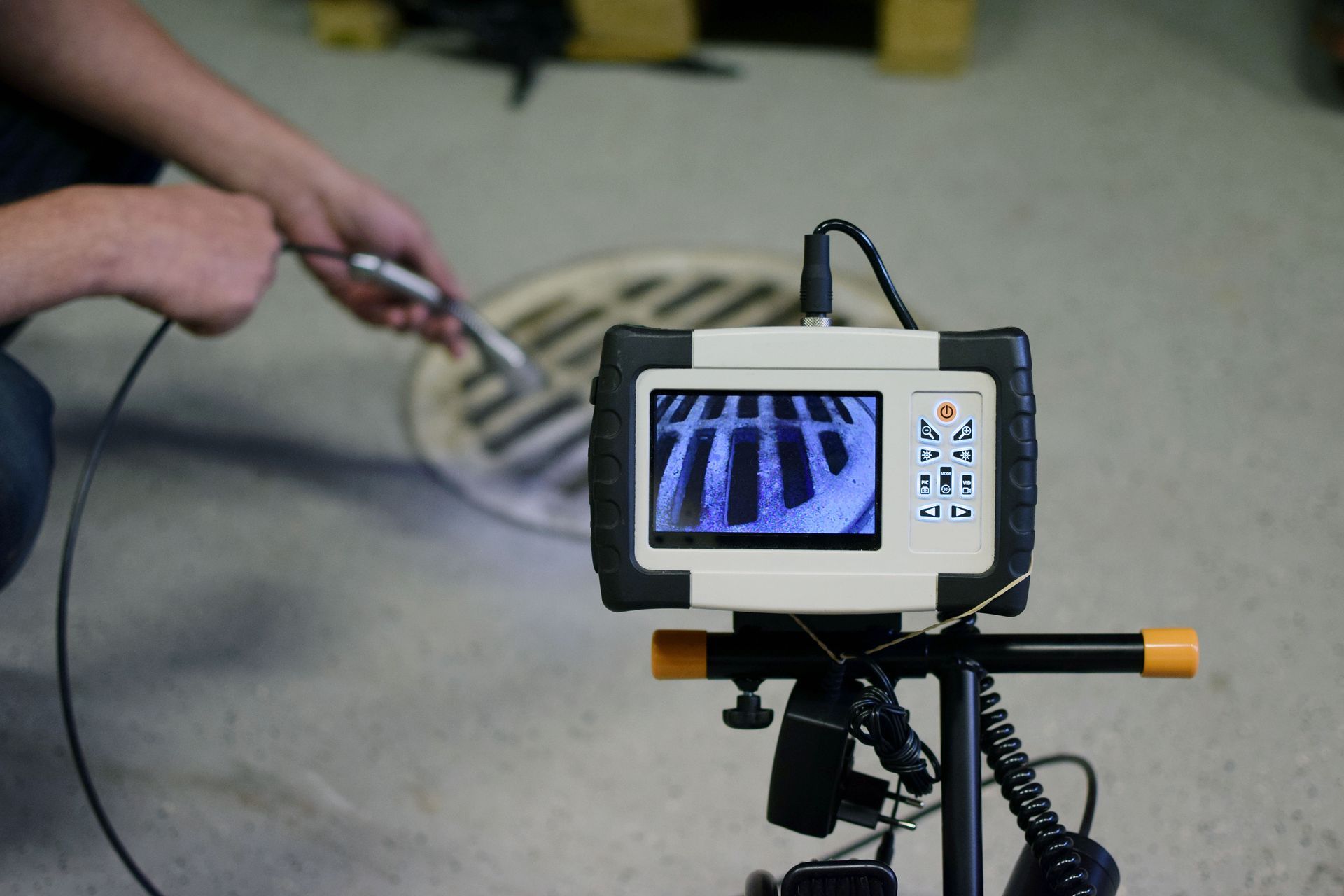
Once the service technician arrives at your location, the assessment begins with identifying the optimal entry point into the plumbing system. The primary access point is typically an exterior cleanout pipe, though indoor cleanouts, vent stacks, or removed toilets can also serve as access entries when necessary. The technician sets up a self-leveling, high-definition camera attached to a flexible, fiber-optic push rod. This specialized cable is designed to navigate tight turns and long stretches of pipe while transmitting continuous video feed back to a monitor screen. Before feeding the camera into the line, the technician checks the lighting, focus, and recording equipment. Establishing a secure access point ensures that sewer line camera inspections proceed without unnecessary disruption to the surrounding property.
Following Along During the Real-Time Camera Navigation
As the camera travels through the interior of the pipe, the technician monitors the live video feed on a high-resolution display monitor. Property owners are often invited to view the screen as the camera advances, allowing them to see the interior condition of their waste lines firsthand. The flexible push rod measures distance as it travels, enabling the operator to note the exact footage location of any identified defects or obstructions. The camera head emits a bright LED light that illuminates the pipe walls, revealing details such as grease accumulation, mineral scale, corrosion, offset joints, and tree root penetration. Real-time monitoring during sewer line camera inspections ensures that every section of the pipe is evaluated carefully under direct visual observation.
Identifying Common Underground Pipe Problems and Structural Issues
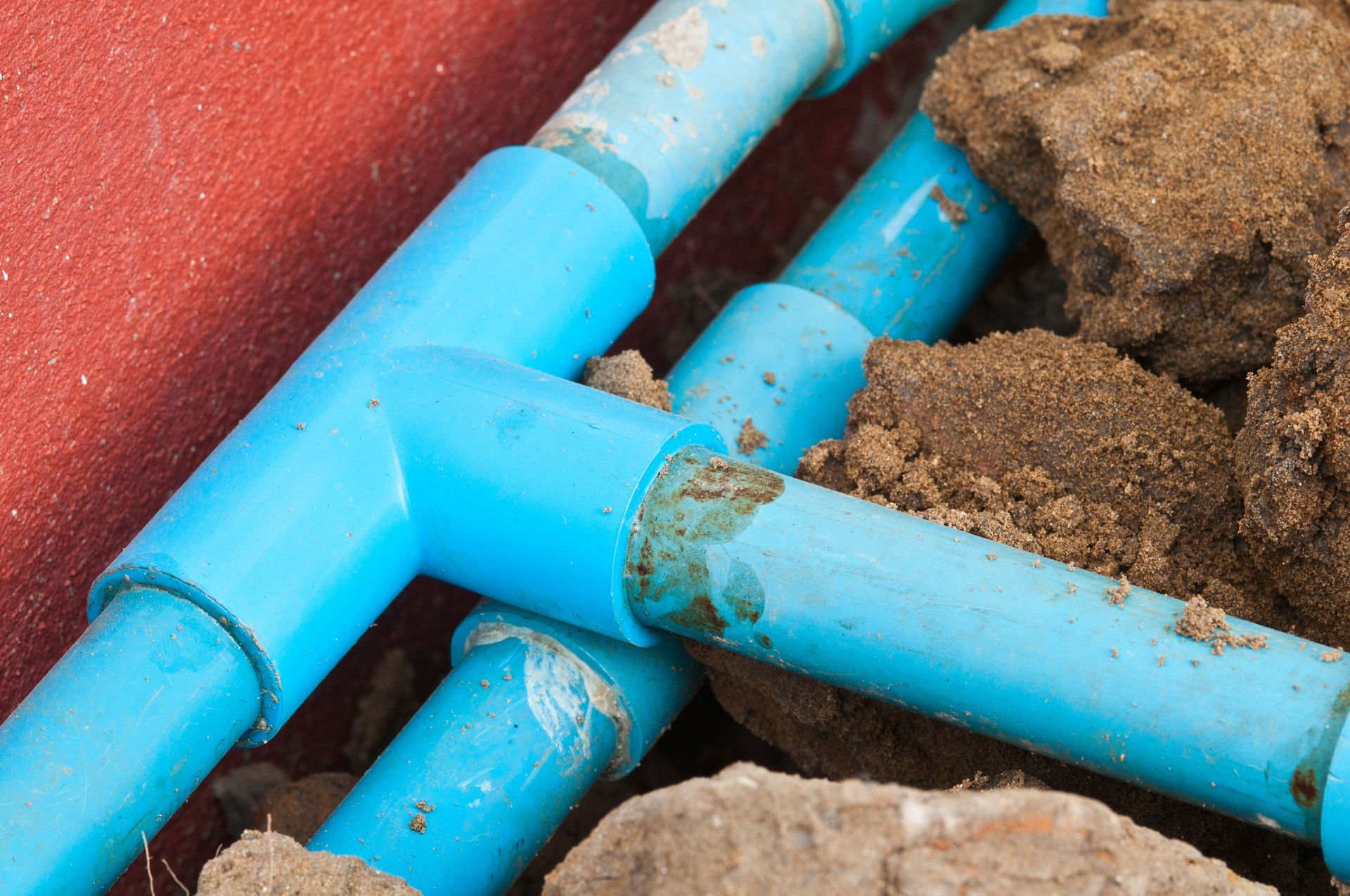
The visual data collected during the camera push provides clear insight into the exact nature of any line deficiencies. Tree roots seeking moisture frequently enter through tiny cracks or loose pipe joints, expanding over time and catching debris until the flow is entirely restricted. Cast-iron lines may show severe scaling, rusting, or channel bottom corrosion, while clay pipes often suffer from offset joints or fracturing due to ground movement. Flexible plastic pipes can experience bellies, which are sagging sections where standing water and sediment collect. Identifying these specific defects during sewer line camera inspections helps determine whether the line requires cleaning, localized spot repairs, or complete pipe replacement, eliminating unnecessary guesswork.
Locating Pipe Blockages with Precision Sonde Technology
Visualizing a problem inside a pipe is only half the battle; knowing its exact physical location above ground is equally important. Modern inspection camera heads are equipped with built-in transmitters, known as sondes, which emit a location signal through the ground. As the camera rests at a point of interest, such as a major clog or pipe collapse, the technician uses an above-ground locator receiver to trace the signal. This device pinpoints the exact position and depth of the camera underground. Accurately locating damaged pipe sections during sewer line camera inspections prevents indiscriminate digging, preserving lawns, driveways, and landscaping while minimizing labor costs associated with manual excavation.
Reviewing the Comprehensive Diagnostic Findings and Video Footage
After the camera has traversed the entire length of the line to the municipal main or septic tank, the technician carefully retracts the cable. During retraction, a second visual pass is often conducted to verify initial findings. The entire recording is saved digitally, creating an accurate historical record of the pipe's internal condition. The technician then reviews the footage with the property owner, explaining the visible features, structural integrity, and any areas of concern in plain, accessible language. Having access to recorded video footage from sewer line camera inspections gives property owners concrete evidence to reference when evaluating repair options, insurance claims, or real estate transactions.
Understanding Potential Post-Inspection Solution Options
Once the video analysis is complete, the next step involves discussing appropriate corrective measures based on the findings. If the camera reveals minor debris build-up or soft grease clogs, high-pressure water jetting may be recommended to restore full flow capacity. For significant tree root intrusion or mechanical pipe damage, structural repairs may be necessary. Modern trenchless technologies, such as pipe lining or pipe bursting, offer non-invasive ways to rehabilitate damaged lines without excavating the yard. In cases of severe collapse or line misalignment, traditional open-trench replacement might be required. Findings from sewer line camera inspections ensure that recommended solutions address the root cause of the issue directly.
Establishing a Regular Preventative Maintenance Schedule
Preventative plumbing care is one of the most effective ways to protect property value and avoid sudden plumbing disasters. Scheduling periodic pipe checks allows home and business owners to track the condition of their waste lines over time. Properties situated near mature trees or those built with legacy piping materials benefit immensely from recurring evaluations every few years. Catching minor joint separations, light root intrusion, or early corrosion before a total blockage occurs saves significant expense and stress down the road. Incorporating sewer line camera inspections into routine home maintenance plans helps extend the lifespan of underground piping systems and ensures continuous, trouble-free operation.
Taking Action to Protect Your Property's Plumbing Infrastructure
Investing in clear diagnostic insights is the most reliable way to maintain smooth, functional drainage across your entire property. Whether you are dealing with persistent drain backups, planning a major renovation, or buying a new home, getting a clear view of your underground pipes provides total peace of mind. Visualizing the internal condition of your plumbing lines takes the mystery out of maintenance and empowers you to make smart, cost-effective decisions. Taking action early prevents minor line issues from escalating into major structural damage or costly property cleanups. Partnering with experienced professionals ensures that your waste lines receive thorough, accurate evaluations using dependable modern technology.
When you need clear answers about your underground piping system, rely on prompt service and comprehensive visual assessments. Sewer line camera inspections provide the precise data needed to keep your waste management system operating smoothly and efficiently year after year. Do not wait for a minor drain concern to turn into a major backup event. Contact Traditional Plumbing Co Inc today to schedule your comprehensive camera assessment and protect your home's vital plumbing infrastructure.