October 2, 2026
Maintaining a functional subterranean drainage network remains essential for safeguarding residential property, protecting public health, and ensuring daily domestic comfort. Deep beneath private lawns and concrete foundations, underground piping systems carry massive volumes of wastewater away from living spaces toward municipal treatment facilities. Because these critical conduits operate out of sight, structural deterioration, root intrusion, and severe blockages often develop quietly over extended operational periods. When wastewater lines fail, property owners face sudden plumbing emergencies, unpleasant indoor odors, and potential structural water damage. Understanding the technical stages involved in diagnosing and resolving underground pipe failures empowers homeowners to make informed maintenance decisions. Professional sewer line repairs restore hydraulic flow capacity, eliminate health hazards, and protect the long-term structural value of residential real estate. Navigating subterranean restoration requires specialized diagnostic tools, skilled plumbing technicians, and modern engineering solutions tailored to specific site conditions. Exploring the complete repair journey illuminates how plumbing experts diagnose hidden pipe failures and execute durable, long-lasting restoration projects.
Identifying Subterranean Line Damage
Identifying hidden underground pipe failure represents the primary phase of any successful plumbing restoration project. Homeowners often notice subtle warning signs long before complete drainage failure occurs across the property. Slow-draining sink basins, gurgling toilet fixtures, persistent sewage odors in basements, and unusually lush green patches across lawn areas frequently indicate subterranean leakage. Unmanaged wastewater escaping from fractured pipes saturates surrounding soil, causing localized ground depression, foundation settling, and severe sanitary concerns. Engaging experienced plumbing technicians guarantees that subtle warning signs are evaluated accurately using professional diagnostic protocols before minor leaks escalate into widespread structural crises.
Ignoring early indicators of pipe deterioration allows minor line cracks to expand under continuous hydrostatic pressure and soil movement. As wastewater seeps into surrounding earth, surrounding soil washes away, creating subterranean voids that compromise driveway slabs and building footings. Persistent line blockages also force untreated sewage backward through lowest floor drains, contaminating interior living spaces with hazardous bacteria and organic waste. Prompt intervention through certified sewer line repairs prevents catastrophic structural damage and protects living environments from severe biological contamination. Timely professional evaluations preserve existing piping framework and minimize overall restoration expenditures for property owners.
Conducting Comprehensive Camera Inspections
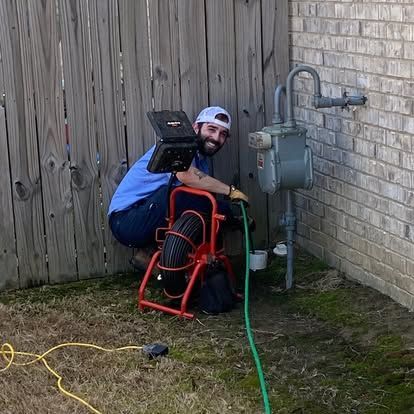
Once physical symptoms indicate subterranean piping issues, plumbing specialists deploy high-definition fiber-optic camera systems to examine internal pipe conditions accurately. Flexible push cables equipped with waterproof camera heads and powerful light rings enter the piping system through accessible cleanout fittings. As the camera travels through underground lines, high-resolution video footage feeds directly to external display monitors, revealing exact internal pipe conditions. Technicians observe structural cracks, misaligned joints, severe mineral scaling, sagged pipe sections, and aggressive tree root penetration along the entire line length.
Fiber optic diagnostic evaluations eliminate guesswork, enabling technicians to pinpoint the exact depth and physical location of internal pipe defects. Integrated radio transmitters located within camera heads send signals to aboveground locating receivers, marking precise repair locations on lawn surfaces or pavement. Accurately mapping internal pipe topography prevents unnecessary excavation across undamaged property sections, saving time and preserving landscaping. Comprehensive camera surveys provide essential data needed to select appropriate sewer line repairs tailored specifically to structural conditions and surrounding soil dynamics.
Evaluating Modern Repair Methodologies
After analyzing diagnostic video footage, plumbing professionals evaluate various restoration methodologies to determine the most effective repair strategy. Historically, resolving underground line failure required extensive open trench excavation, destroying mature landscaping, concrete driveways, and stone patios. While traditional excavation remains necessary for completely collapsed or heavily sagged pipe sections, modern plumbing technology offers non-invasive alternatives. Advanced trenchless restoration techniques repair damaged conduits internally, significantly reducing physical property disruption and labor demands.
Selecting between trenchless lining methods and traditional open excavation depends on structural pipe integrity, surrounding soil stability, and total line depth. Completely crushed pipes or lines featuring severe reverse grade slopes require physical excavation and total pipe replacement to restore proper gravitational flow. Conversely, pipes suffering from localized cracking, root intrusion, or joint separation benefit immensely from trenchless rehabilitation options. Certified plumbing specialists explain material advantages, project timelines, and structural outcomes associated with different sewer line repairs, helping homeowners choose optimal solutions.
Executing Trenchless Rehabilitation Solutions
Trenchless pipe lining, often referred to as cured-in-place pipe restoration, offers a seamless methodology for renewing damaged subterranean conduits. Technicians insert a flexible fabric liner saturated with epoxy resin into the damaged pipe through a single access point. Once positioned correctly along the damaged section, an internal bladder inflates, pressing the resin-soaked fabric tightly against existing pipe walls. Thermal steam or ambient air pressure cures the resin, forming a smooth, jointless structural pipe inside the old host pipe.
Another highly effective trenchless technique includes pipe bursting, which replaces severely damaged lines without digging continuous trenches. A specialized pneumatic bursting head passes through the failing pipe, fracturing old materials outward into surrounding soil while simultaneously pulling a new high-density polyethylene pipe behind it. Trenchless methodologies eliminate extensive lawn destruction, preserve mature trees, and deliver smooth interior pipe walls that resist future root intrusion. Utilizing trenchless sewer line repairs guarantees rapid project completion, exceptional structural durability, and minimal environmental disruption.
Performing Traditional Excavation Work
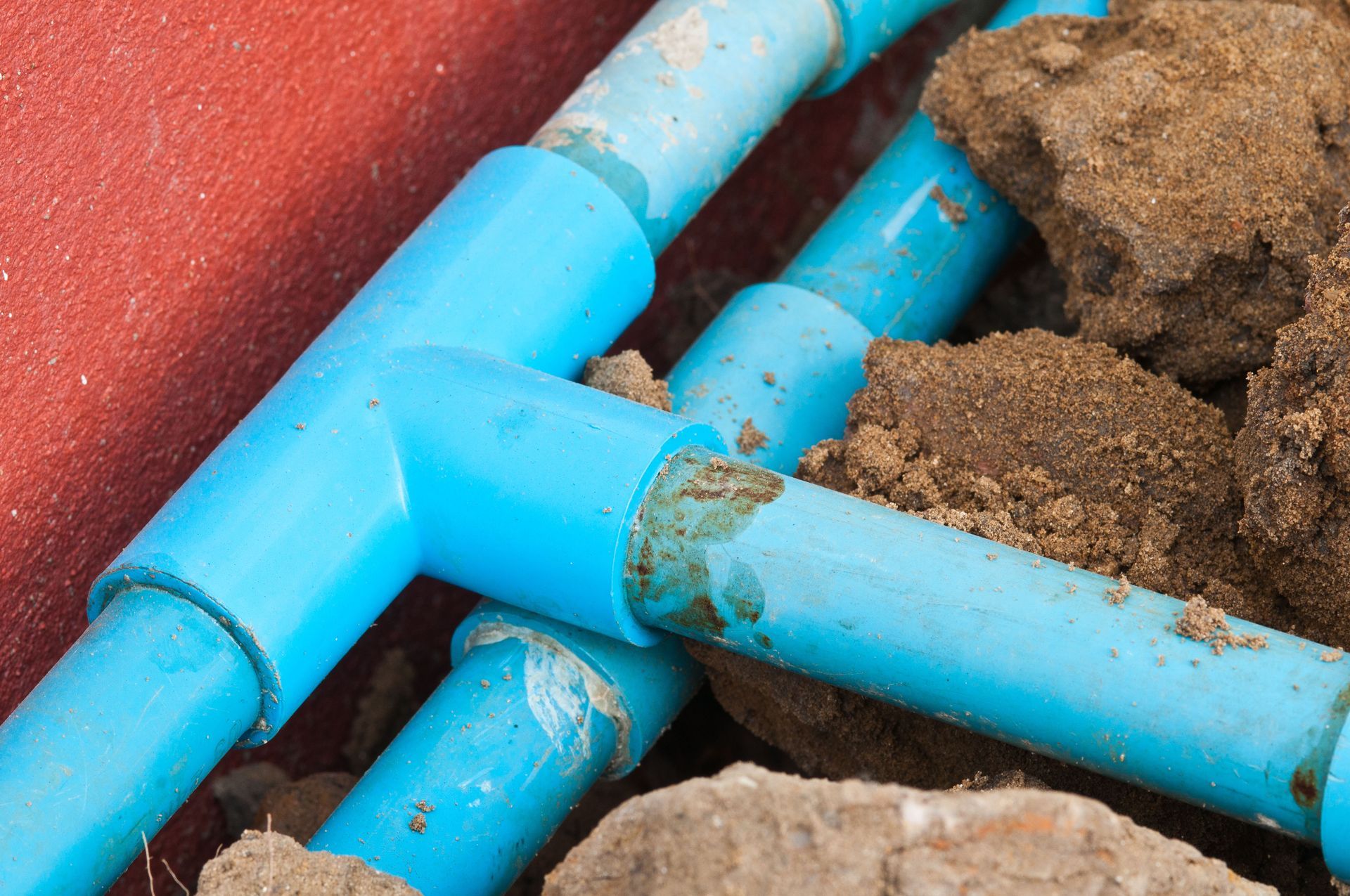
When subterranean conduits suffer total structural collapse or severe grade misalignment, traditional open trench excavation remains the most reliable restoration method. Heavy excavation machinery removes topsoil, pavement, and subgrade material to expose failing pipe sections completely. Technicians carefully remove broken clay, cast iron, or corroded metal pipes, preparing a stable, properly sloped gravel trench bedding for new piping installation. Installing modern polyvinyl chloride piping ensures smooth interior walls, tight rubber gasket joints, and complete resistance against chemical corrosion.
Executing traditional excavation requires strict adherence to safety protocols, including trench shoring and soil stabilization to protect installation crews. Technicians calculate precise slope gradients to guarantee proper gravitational wastewater flow from the building perimeter to municipal main lines. After laying new high-strength piping, crews backfill trenches with compacted aggregate materials, restoring ground stability and preventing future surface settling. Traditional sewer line repairs reestablish fundamental structural reliability, ensuring seamless waste evacuation for properties suffering from total pipe collapse.
Maintaining Long Term System Integrity
Completing physical pipe restoration represents a foundational step in maintaining long-term subterranean drainage reliability for residential properties. Proactive maintenance practices prevent recurring line blockages, scale accumulation, and root re-entry across newly repaired piping networks. According to HomeAdvisor, it’s generally recommended to have your main sewer line cleaned about every 18 to 22 months to help prevent buildup and blockages. Scheduled professional maintenance removes residual organic debris and grease before stubborn blockages form inside drain lines.
Property owners can also adopt responsible water usage habits, avoiding flushing non-degradable paper products, grease, or heavy paper towels down toilet basins. Installing root barrier membranes near mature trees and avoiding planting deep-rooting vegetation near utility corridors protects underground conduits from physical pressure. Regular maintenance, combined with professional sewer line repairs when structural defects occur, guarantees consistent wastewater management for decades. Protecting underground utility infrastructure preserves property value, maintains sanitary living conditions, and provides total domestic peace of mind.
Maintaining a healthy subterranean drainage network requires continuous vigilance, professional diagnostic accuracy, and modern restoration strategies. Ignoring early warning signs of underground pipe failure invites severe structural water damage, health risks from sewage backups, and expensive emergency restoration work. Partnering with certified plumbing specialists ensures that subtle pipe defects are accurately diagnosed using fiber optic cameras and resolved using advanced rehabilitation techniques. Whether utilizing non-invasive trenchless lining or executing traditional open trench replacement, expert sewer line repairs restore full volumetric flow capacity and safeguard property investments. Proactive maintenance combined with certified professional service preserves pipeline longevity, protects surrounding landscapes, and delivers lasting domestic comfort for every household. When you are ready to evaluate your underground piping system or require professional assistance, feel free to contact the friendly team at Traditional Plumbing Co Inc.