August 25, 2026
When we think about what makes a municipality truly healthy, our minds often jump to visible markers of success: pristine parks, robust healthcare facilities, safe neighborhoods, and clean air. However, one of the most critical components of a thriving city lies completely out of sight, buried deep beneath our streets and sidewalks. The municipal sewer system is the unsung hero of public health. Without it, modern urban living would be virtually impossible. Maintaining this complex subterranean network is no small feat, but modern technology has revolutionized how we manage it. Specifically, sewer line camera inspections have emerged as an indispensable tool for municipal public works departments and private plumbing contractors alike, allowing us to accurately see the unseen and address infrastructure issues before they escalate.
How Invisible Wastewater Veins Impact the Daily Lives of Citizens
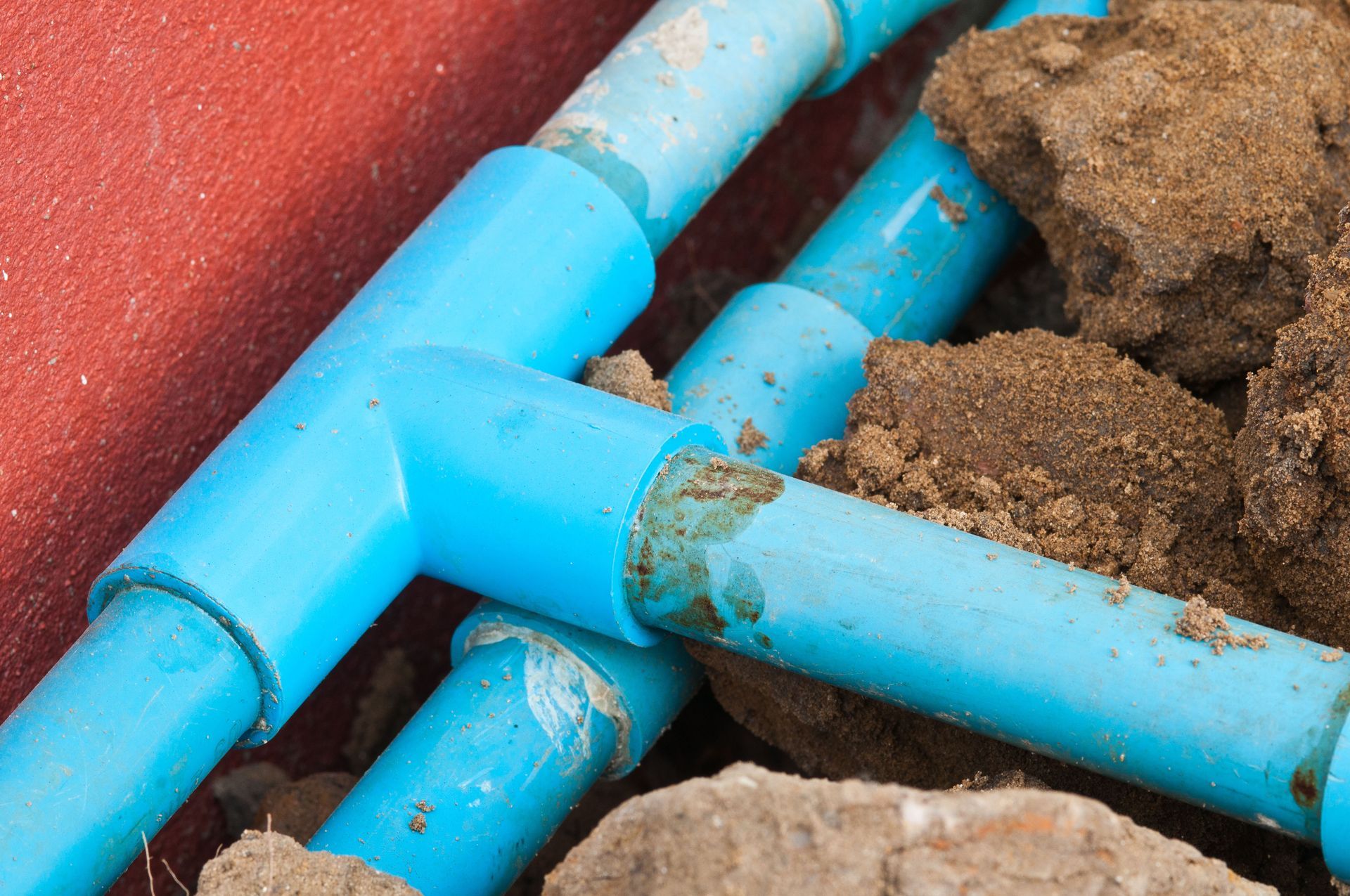
A municipality's wastewater system operates much like the cardiovascular system in the human body. Just as our veins carry waste away from our cells, underground sewer pipes carry hazardous human and industrial waste away from our homes, schools, and businesses to centralized treatment plants. When this highly complex system flows freely, the city thrives, and citizens go about their day without a second thought regarding their plumbing. However, when blockages, structural collapses, or sudden breaches occur, the results can be catastrophic, leading to sudden sewage backups, contaminated groundwater, and significant public health crises.
Historically, maintaining these pipelines was largely a game of educated guessing. Plumbers and city engineers often had to wait until a pipe failed completely before they knew there was an underlying problem. Diagnosing a slow leak or a hidden tree root intrusion meant costly, highly disruptive excavation projects that tore up neighborhoods and inconvenienced residents for weeks at a time.
How Advanced Diagnostic Technology Transforms Modern Plumbing Maintenance
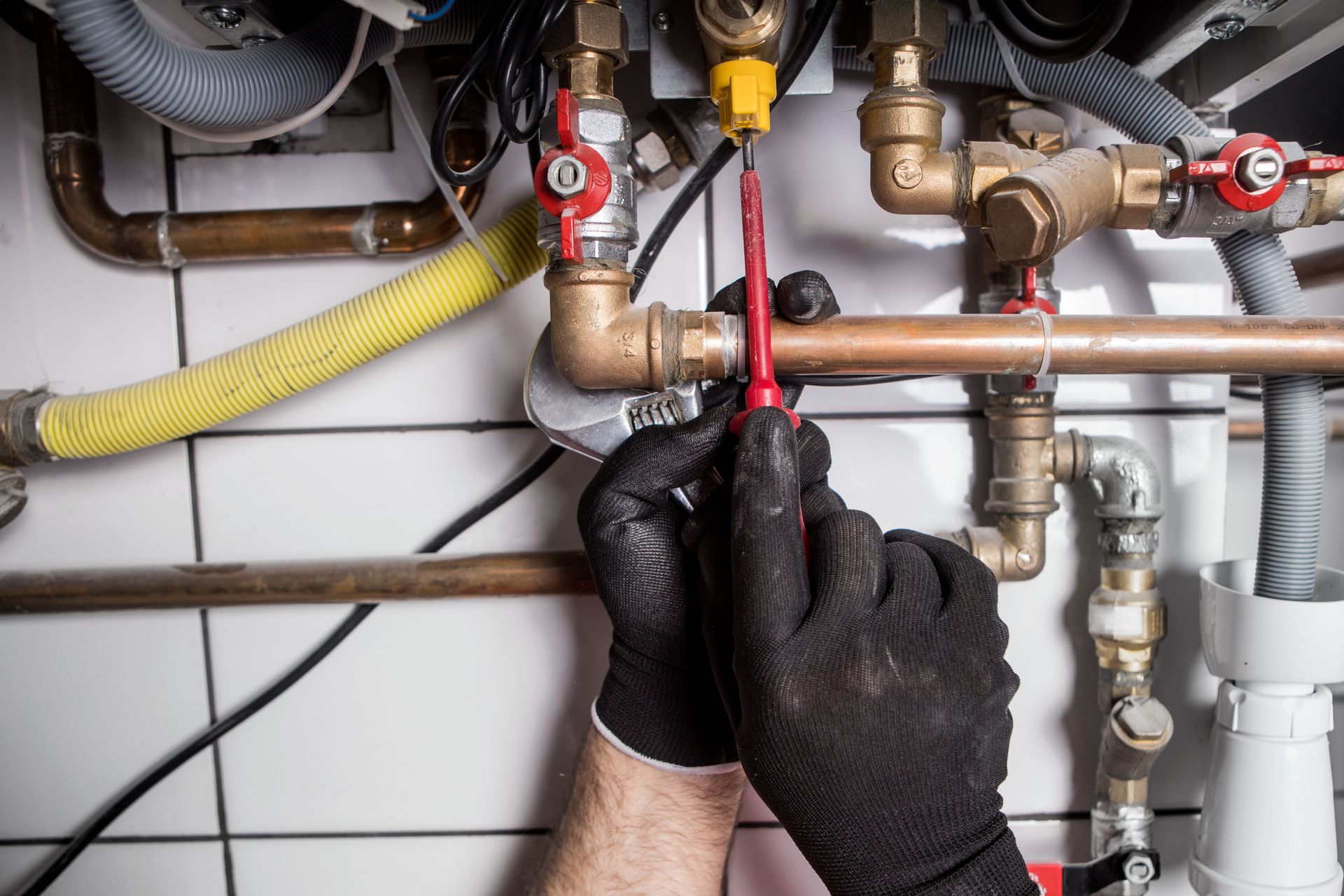
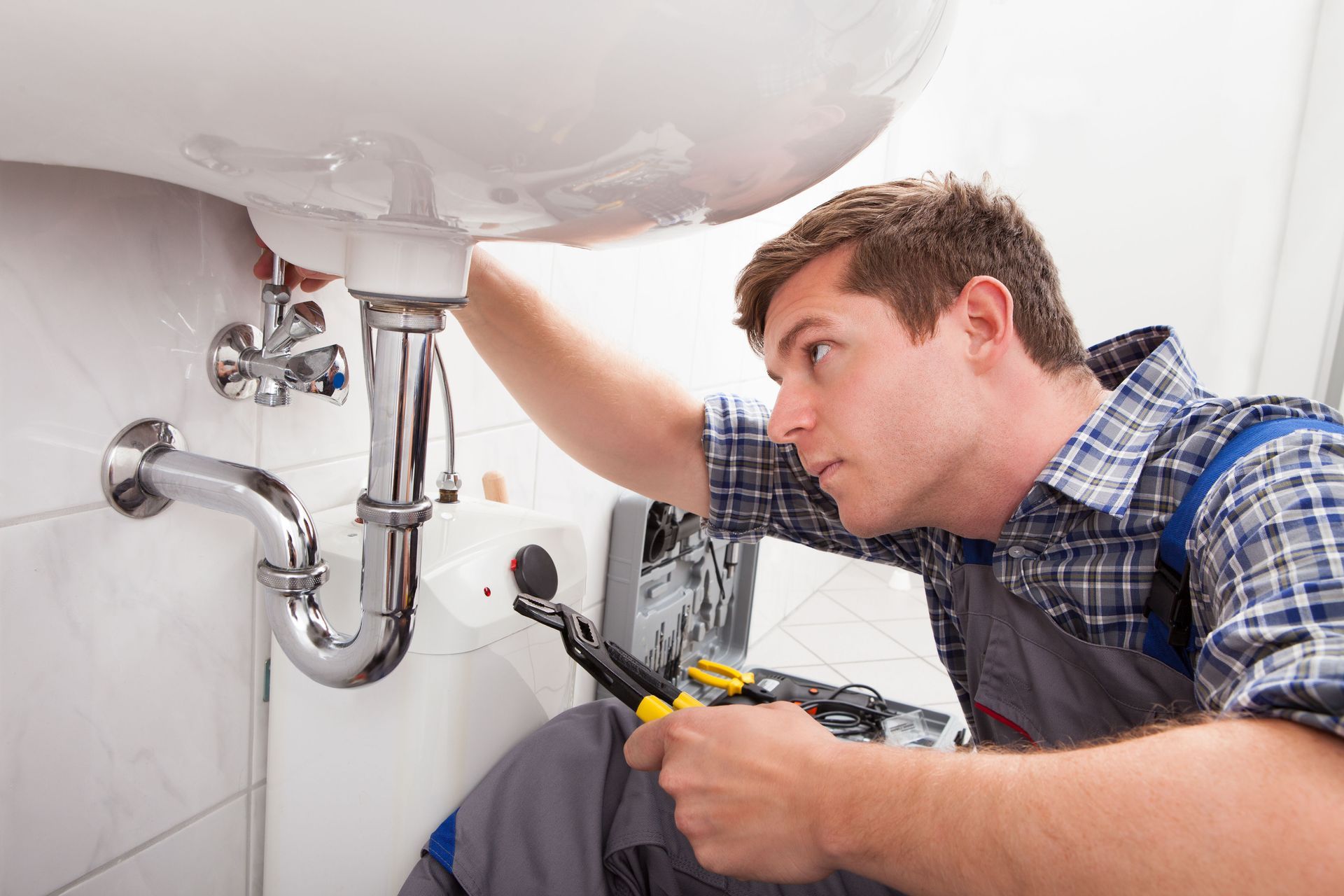
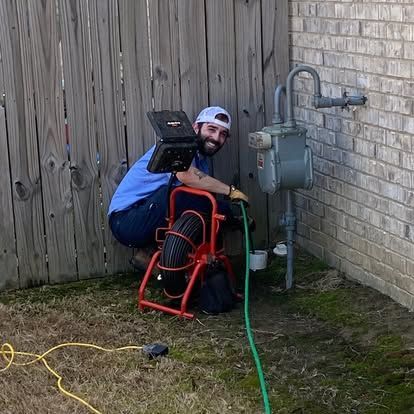
Today, the landscape of plumbing maintenance has entirely shifted. The advent of modern diagnostic tools has effectively replaced blind excavation with precision engineering. To fully appreciate their impact on a municipality, we must understand how sewer line camera inspections actually operate in the field. The process involves attaching a high-definition, waterproof video camera to a flexible, sturdy fiber-optic cable. A trained plumbing technician inserts this specialized camera into the sewer line through an accessible cleanout point on the property.
As the camera travels down the interior of the pipe, high-intensity LED lights illuminate the surroundings, sending real-time, high-resolution video footage directly to a viewing monitor above ground. This cutting-edge technology allows plumbing professionals to see exactly what is happening inside the pipes with crystal clarity. They can immediately spot invasive tree roots breaking through pipe walls, severe grease buildups, bellied pipes caused by shifting soil, severe internal corrosion, and improperly flushed foreign objects that threaten the flow of the entire system.
How Proactive Plumbing Maintenance Prevents Chaotic Reactive Emergencies
One of the primary reasons aging communities struggle heavily with plumbing infrastructure is a historical reliance on reactive maintenance. Waiting for raw sewage to back up into a residential basement or for a massive sinkhole to form in a municipal road is a recipe for disaster. These reactive plumbing emergencies require immediate emergency funding, cause immense financial stress for property owners, and unnecessarily expose the public to dangerous pathogens.
By utilizing routine sewer line camera inspections, municipalities and local homeowners can successfully shift from a chaotic reactive mindset to a structured proactive one. Identifying a small tree root intrusion before it completely blocks the flow of household wastewater allows for quick, relatively inexpensive remediation techniques, like high-pressure hydro-jetting or minor trenchless repairs. This proactive approach completely prevents the compounding, secondary damage that occurs when wastewater is forced to find alternative routes out of a broken pipe, ultimately sparing the entire community from unnecessary chaos.
How Routine Preventative Measures Prevent Catastrophic Sewage Backups
The positive ripple effects of maintaining fully functioning plumbing infrastructure extend far beyond the immediate convenience of a flushing toilet. Implementing widespread sewer line camera inspections offers several profound benefits that actively contribute to a healthier, safer municipality. One major benefit is the prevention of sanitary sewer overflows (SSOs).
These overflows occur when untreated sewage inadvertently discharges into the surrounding environment prior to safely reaching centralized municipal water treatment facilities. These toxic overflows can rapidly contaminate public parks, flood residential basements, and spill into community streets. Unprotected exposure to raw human sewage poses severe, immediate health risks, including gastroenteritis and other bacterial infections. By proactively identifying and clearing subterranean blockages before they escalate into massive structural failures, we significantly reduce the statistical risk of SSOs, actively protecting the local community from entirely preventable disease outbreaks.
How Regular Visual Assessments Protect Local Waterways and Ecosystems
In many municipalities, damaged, aging sewer lines can silently leak raw sewage directly into the surrounding soil for months without anyone noticing. This toxic effluent eventually makes its way into the local groundwater table or flows out into nearby rivers, lakes, and streams. This severe contamination directly threatens the municipal drinking water supply and actively devastates local aquatic ecosystems, killing fish and destroying native plant life.
Utilizing sewer line camera inspections ensures that hidden subterranean leaks are accurately caught and permanently repaired long before they can cause widespread environmental degradation. By sealing these hidden breaches early, local governments and private citizens work together to ensure that surrounding nature reserves, public lakes, and agricultural water tables remain pristine, unpolluted, and entirely safe for future generations to enjoy.
How Early Infrastructure Interventions Save Taxpayer and Homeowner Money
Local municipal budgets are often stretched incredibly thin, and unexpected emergency infrastructure repairs are historically very expensive. When a city has to urgently excavate a collapsed public sewer main located beneath a busy, high-traffic intersection, the final costs are absolutely staggering. Similarly, everyday homeowners face devastating financial burdens if a neglected private main line collapses and suddenly backs up into their primary living space.
Catching these mechanical issues early through diligent observation saves municipal and private money on a massive scale. When expensive emergency excavations are avoided, those precious public funds can be intelligently invested in proactive community development rather than spent on exhausting disaster recovery. This robust financial stability directly contributes to the overall economic health and sustained longevity of the entire municipality, easing the financial burden on everyone involved.
How Individual Homeowners Contribute to the Overall Health of Municipalities
While the local municipality is ultimately responsible for the maintenance of the main public sewer lines running under the streets, homeowners are directly responsible for the lateral lines—the private pipes that connect their individual houses to the broader city’s main sewer system. A genuinely healthy municipality strongly requires a dedicated partnership between the city government and local private property owners. If a homeowner’s private lateral line fails, it can quickly contribute to broader municipal system issues and widespread blockages downstream.
This cooperative dynamic is exactly where regular, scheduled maintenance becomes crucial for every responsible property owner. According to HomeAdvisor, cleaning your main sewer line every 18 to 22 months helps prevent blockages. Pairing this vital regular cleaning schedule with professional sewer line camera inspections ensures that you are accurately monitoring the long-term structural integrity and overall lifespan of your residential pipes. When homeowners take responsibility for their lateral lines, they actively prevent localized issues from turning into neighborhood-wide crises.
Whether you are proactively purchasing a brand-new home and want to ensure the underground plumbing is in perfect condition, or you are a long-time homeowner currently experiencing incredibly slow drains and frustrating recurring clogs, our expert team has the advanced technology to provide you with crystal-clear answers. By regularly investing in professional sewer line camera inspections, you are actively doing so much more than protecting your own valuable property; you are proactively contributing to the overall health, safety, and operational longevity of the entire municipality. Contact Traditional Plumbing Co Inc today to easily schedule your comprehensive inspection, protect your Memphis property, and gain absolute peace of mind.